Fake news stories
AI-fuelled cybercrime will outpace human intuition by 2026, as deepfakes, emotional scams and synthetic identities erode online trust.
Doctors and public health experts say AI should be paused until tougher rules are in place, warning of surveillance, lethal weapons and job losses.
Victorian builders now face a two-week work halt after a vaccine protest turned violent and police made arrests in Melbourne.
Employers are being urged to counter false claims about COVID-19 jabs with trusted facts so staff can make informed choices.
Small firms face months of cashflow pain as the wages subsidy runs thin and landlords and utilities keep billing during lockdown.
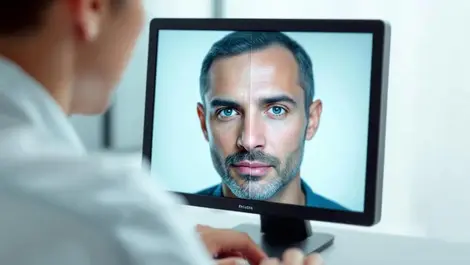
Swiss startup Umanitek has unveiled Guardian Agent, a subscription tool to spot deepfakes, fake profiles and AI-driven impersonation online.
AI has become the top corporate reputation fear for global leaders, yet most admit they are underprepared for its fast-rising risks.
Heidi Sayers joins LeadStory as Chief Commercial Officer, supporting the firm's global growth as CEO Cam Price relocates to the US to expand partnerships.
Deepfake scams surge worldwide, with 49% of firms hit in 2024 as public and businesses struggle to spot convincing fake videos and audio.
Cybercriminal groups Reckless Rabbit and Ruthless Rabbit use registered domain algorithms to carry out investment scams costing US consumers USD $5.7 billion in 2024.
The 2025 VivaTech Confidence Barometer shows high optimism among American and UK business leaders regarding technology, with 87% confident in its potential.
The UN's new Global Principles for Information Integrity aim to curb online misinformation and hate speech, facing critique for not addressing deepfakes.
Alteryx genAI perception study reveals 80% of businesses see value in generative AI, whilst 43% of the public remains sceptical, expressing fears over its future use.
Gen predicts AI will customise and escalate cyber threats by 2024, making cybersecurity a daily life necessity.
Kismet Group acquires Media.com to offer a platform combating misinformation and protecting users' reputation.
Chinese Government conducts disinformation campaign following Nancy Pelosi's visit to Taiwan, say researchers. 72 websites are reportedly involved.
In a bid to prevent the spread of misinformation, Surfshark has announced the release of its fake news warning (FNW) extension for Chrome and Firefox.
Misleading information has emerged as one of the leading cyber risks in our society, affecting political leaders and the economy, says new study.
NortonLifeLock unveils BotSight, a real-time tool designed to detect Twitter bots using machine learning, now in beta for browsers and iOS.
Over 1,000 Australian students joined Optus' Digital Thumbprint workshop to learn how to identify AI threats like deepfakes, scams, and online extortion.