Influencer Marketing stories
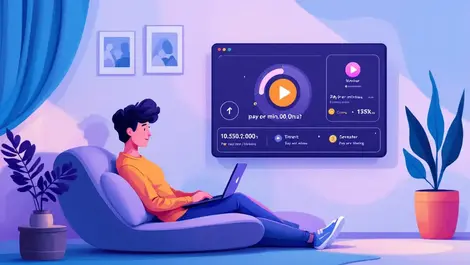
Subscription-fatigued viewers in more than 90 countries can now pay only for time watched as MovieMe shares 70% of viewing revenue with creators.
Brands risk wasting social spend unless they balance participation-driven content with broader emotional campaigns that build memory and growth.
Retailers risk missing Black Friday shoppers as AI tools increasingly narrow product choices before customers reach a website.
Different content strategies are deciding which travel brands win attention, as TikTok and Instagram now reward sharply different campaigns.
His World Cup antics drew 43% positive US social sentiment, putting Erling Haaland ahead of Lionel Messi and Cristiano Ronaldo online.
Travel brands may need to win confidence, not just attention, as 60% of Asia-Pacific consumers say they feel sure about choosing a destination.
The smart home robotics brand is seeking to lift awareness in Australia and New Zealand as Havas Red takes on PR, social and influencer work.
Brands facing AI-driven shopping shifts will get hands-on support as Wayvia adds advisory and execution services alongside its platform.
Unknown entrants on Love Island have delivered the biggest audience gains, even as the show's final viewers have fallen to about 700,000.
Viral lookalikes are spreading fast across toy and game marketplaces, with cheaper copies now posing safety and reputational risks for brands.
Asia Pacific is driving a retail shift as live, social and quick commerce from China spread into shopping habits worldwide.
UK regulators may soon tighten scrutiny, after a study found 89% of top crypto posts on social media breached FCA promotion rules.
A selective creator strategy is reshaping beauty marketing, as Kiko almost matched Charlotte Tilbury's impact with just 298 influencers.
Creators can now turn raw clips into shoppable videos as social commerce firms race to capture a market forecast to top USD $100 billion in 2026.
UK YouTube creators can now tap growth capital and operational support without surrendering ownership, as Nuggit targets a fast-maturing sector.
Six in ten Australians now act on products they see on social platforms, underscoring a shift in how brands must win buyers online.
A quarter of Southeast Asian shoppers now use generative AI, but friends, family and online reviews still carry more weight at checkout.
The appointments broaden Wildfire's UK brief into home energy and security as brands compete for visibility in the connected home market.
The North London club generated GBP £37.7 million from Instagram in early 2026, widening the gap over rivals and boosting commercial clout.
TikTok Shop brands could gain wider marketplace reach as the deal adds 70 specialists and technology to Podean's global network.