Medical Device stories
In regulated industries, conflicting document versions can turn AI answers into audit risks, service errors and costly rechecks.
Most life sciences manufacturers now see digital transformation as essential, with 54% reporting a cyberattack in the past year and many eyeing AI.
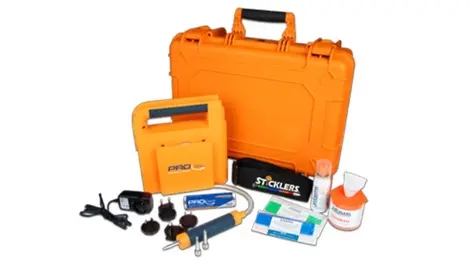
Poorly cleaned fibre connectors can trigger faults and extra field troubleshooting as Sticklers demonstrates tools for cable and broadband operators.
North American device makers seeking EU clearance may find compliance easier to track as DQS rolls out a digital review tool.
Manufacturers face a 24-hour EU reporting deadline only after proving a flaw is in their product and actively exploited, testing their records.
Fast-moving exploits are shrinking patch windows to hours, making network segmentation vital for protecting cameras, medical devices and other connected assets.
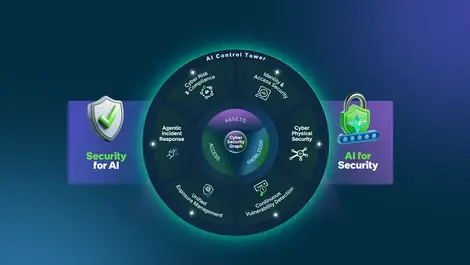
The suite aims to cut security backlogs and tighten oversight of AI agents as companies face a surge in machine identities and fragmented tools.
Developers can now train and test healthcare robots faster, as the open-source framework simulates rare procedures and tricky anatomies before hardware trials.
Healthcare providers could reduce manual administration and compliance work as FPT's new framework targets regulated workflows and fragmented data.
The remote procedure could widen access to stroke care in hospitals that lack specialist teams, though the system is still under development.
The project could help children with sight-threatening conditions avoid long hospital trips by enabling eye scans in community settings or at home.
A remote trial could speed up PTSD assessment for Australians with limited access to specialist care, while testing smartphone data against clinical interviews.
Ageing populations and staff shortages are driving demand for Taiwan's hospital, diagnostics and home-care devices at Medical Fair Asia 2026 in Singapore.
A Perth-built transplant device has taken three national honours, highlighting Western Australia's growing strength in medical technology.
Only 20% of healthcare IT leaders say their networks could contain a cyber incident, leaving patient systems and privacy exposed.
Independent modelling puts Quantum Australia's national programmes at AUD $83.1 million, after helping launch 15 quantum startups in two years.
Rising AI-driven threats are pushing firms to consolidate security operations, as ServiceNow adds automation across exposure, identity and incident response.
It gives Australians home access to a wavelength previously limited to clinic visits, as demand grows for deeper-penetrating recovery devices.
The accolade highlights Western Australia's growing health-tech sector, with his AI cardiac diagnostics work spanning hospitals, universities and start-ups.
The Connecticut-based supplier is betting on a veteran marketer to lift brand awareness as it targets growth in specialist industrial markets.