Self-driving cars stories
Carmakers may gain cheaper, more secure software-defined vehicle tools as the open-source Nexus SDV core targets 100 million devices.
Australia's truck driver shortage is set to triple by 2029, pushing fleets towards data tools that could make autonomy viable.
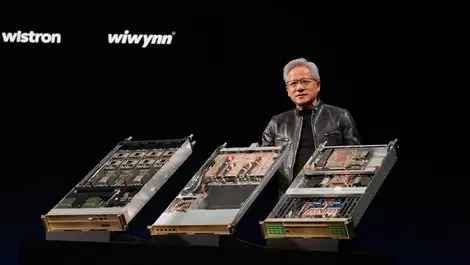
Demand for AI infrastructure is driving Nvidia's manufacturing push, as the company ramps Vera Rubin into full production across a vast global supply chain.
New robotaxi projects in Taiwan, Southeast Asia, Europe and Saudi Arabia could help Nvidia turn Drive Hyperion into a standard platform for fleets.
Manufacturers could gain auditable proof of safe driving decisions as the new software links traffic laws to autonomous vehicle behaviour in simulation.
Access to raw radar data could help self-driving fleets train software and move beyond tightly controlled pilot zones.
More than 500 investors and founders will gather in Bologna as Italy's venture capital market hits its busiest quarter in a decade.
Forrester warns the biggest gains in automation may come from machines that adapt in factories, roads and plants, not humanoid robots.
Customers in telecoms, vehicles and healthcare could gain faster, lower-power AI processing as the photonic system moves to order.
More chips in connected and electric cars are set to lift demand for vehicle control systems to USD $15.1 billion by 2033.
Consumers are set to encounter AI in robots, transport and personalised shopping, as Forrester says business returns will arrive sooner than expected.
A handful of US artificial intelligence megadeals pushed global venture capital investment to USD $330.9 billion in the first quarter, KPMG said.
Research papers at ICML 2026 increasingly leaned on Nvidia's chips and open models, underlining its reach across robotics, biomedicine and AI.
Fragmented competition and falling hardware costs are set to propel the sector from USD $8.3 billion in 2026 to USD $153.4 billion by 2033.
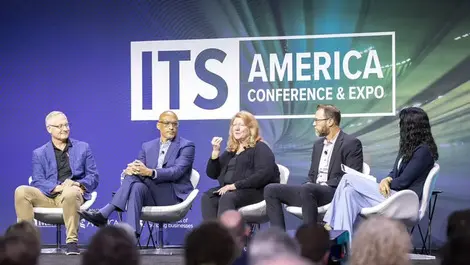
More than 3,000 delegates came to Detroit as the four-day event showcased connected transport technology and city streets used for live demonstrations.
Toronto could soon see driverless vehicles on its streets as Uber pushes for federal rules and partners to launch them locally.
Access to Google's experimental world model is widening as eligible AI Ultra subscribers can now generate Street View-based scenes from real US locations.
Researchers say better data and sensors are needed before self-driving cars can cope with Toronto's snowy roads and lane-less winters.
Despite widespread trust and security fears, 15% of Singapore consumers have used autonomous AI in the past six months, EY found.
Fewer Canadian startups attracted funding as late-stage deals swelled, with one USD $750 million Waabi round driving the quarter's total.