Telehealth stories
New Zealand users are saving hours a week with ChatGPT, as the tool is used for work, budgets, health checks and trip planning.
Customers in urban and rural areas can now order the reusable menstrual product online with pharmacist advice and nationwide delivery.
Emergency call handlers are under strain as the ambulance service braces for more pressure after the busiest day in its history.
Missed calls in specialist clinics could now be triaged by software, as the company expands beyond note-taking into reception work.
Crowdfunding will open access to a redesigned telepresence robot for schools, hospitals and offices, with donation-backed units for needy recipients.
The cash will fund offices in New York and San Francisco as the start-up targets faster risk checks for regulated firms and AI agents.
Higher orders and stronger cash flow helped the medtech group return to profit, despite margin pressure from tariffs and mix shifts.
Incomplete records can lead to missed allergies, duplicate tests and wrong billing, making data quality more urgent than connectivity.
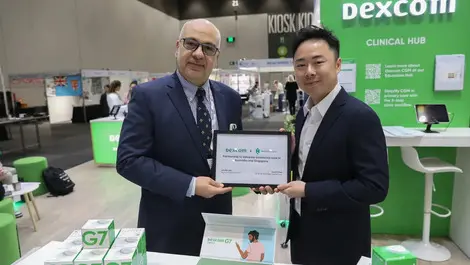
People with diabetes in Australia and Singapore may soon get more connected care as glucose data is linked to digital management tools.
Discreet packaging, clearer product information and easier repeat ordering are helping buyers of continence products avoid embarrassment and confusion.
The remote procedure could widen access to stroke care in hospitals that lack specialist teams, though the system is still under development.
Residents in Kikino and Buffalo Lake will get non-emergency care closer to home as a mobile clinic visits twice a week, easing travel to cities.
The three-year contract should add about AUD $0.21 million a year in recurring revenue as Hydrix expands its Asia-Pacific push.
Approved merchants can now collect card payments in Slash, reducing the need to juggle separate invoicing and checkout providers.
A remote trial could speed up PTSD assessment for Australians with limited access to specialist care, while testing smartphone data against clinical interviews.
Nearly 20 million daily health queries now run through AQ as Ant Group expands the app into weight, sleep and mental wellbeing management.
Patients moving between Hong Kong and mainland China could get simpler treatment, claims and payments as the firms test services across the border.
Participants will hear fresh evidence on scams and digital trust as Southeast Asia weighs tougher rules for a fast-growing digital economy.
Users can now compile scattered health data into a GP-ready summary, as Oi Studios tests its first standalone software product.
Federal buyers could gain faster access to drones and telehealth tools as the firms combine surveillance, location and care systems.