

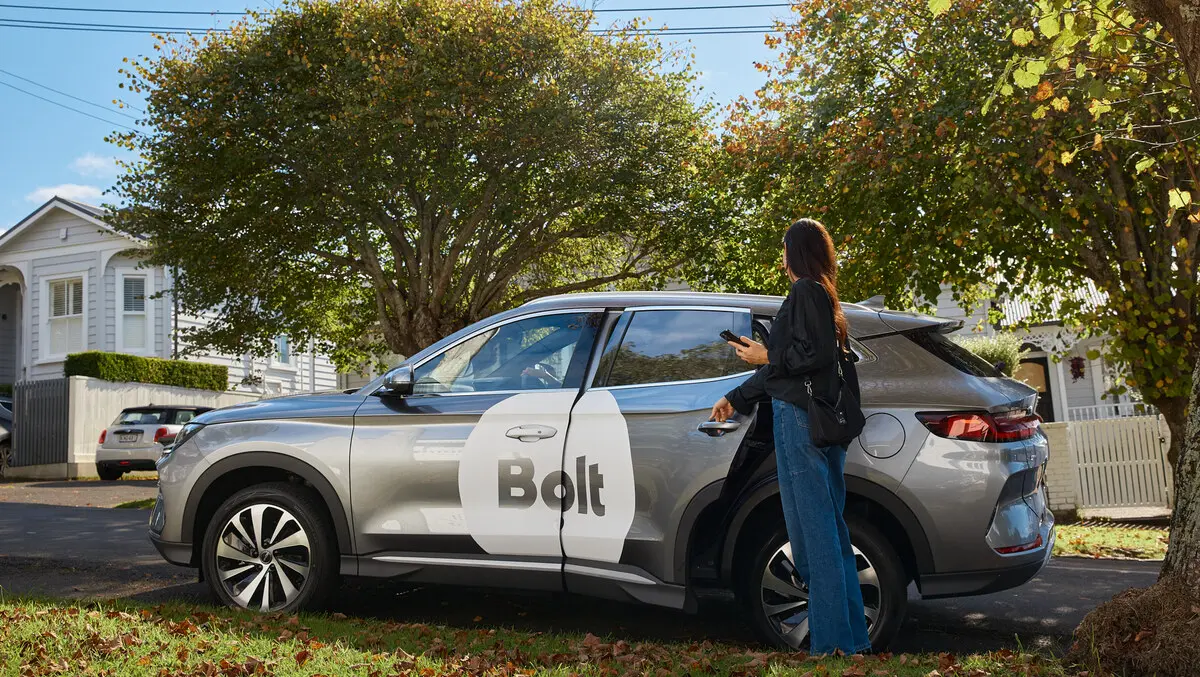
Bolt sees rapid growth in drivers & riders across Auckland
Tue, 26th Aug 2025
Bolt has reported significant growth in both driver and rider numbers just two months after launching in New Zealand.
The shared mobility platform has seen its number of driver partners increase by more than 350% since its mid-June entry into the New Zealand market. Rider sign-ups have grown by almost 600%, and the number of weekly rides is up by around 200%, according to the company.
The service is already described as forming part of the daily transport landscape in Auckland. Among the trips recorded since launch, the longest journey taken through the platform has been 225 kilometres. Saturday is currently the busiest day for Bolt rides in Auckland, with peaks at 4pm and 11pm, while central Auckland is marked as the most common pick-up and drop-off point. This reflects Bolt's role in facilitating city centre transport.
Platform appeal
Bolt New Zealand Country Manager Adam Muirson said the initial response has demonstrated strong demand from riders for more transport options and from drivers for improved earning potential.
"New Zealanders have made it clear they want a service that is affordable and reliable. In just eight weeks, thousands of drivers and tens of thousands of riders have chosen Bolt, and we're only just getting started."
Muirson highlighted the structure of commissions and pricing as important factors behind the uptake. "Our lower commission rates mean more take-home pay for drivers and our competitive pricing means more Aucklanders can get where they need to be for better prices. The momentum we've seen so far sets us up for long-term growth in New Zealand, which we're really excited about," he said.
Driver and rider focus
When Bolt launched in Auckland, it promised to offer a driver-friendly and rider-affordable alternative compared to existing services. Many local drivers have reported satisfaction with Bolt's commission structure and support, stating that the presence of a dedicated local support team is something they had not experienced in some time.
Bolt's operational model combines a local focus with the resources of a global platform. The company has more than a decade of expertise in technology-driven transport solutions and operates in more than 600 cities across 50 countries, with over 200 million customers worldwide.
The company cites a mission to make cities for people, aiming to reduce dependence on private vehicles and improve access to safe, affordable rides. The approach centres on balancing driver rewards with competitive pricing for riders, which Bolt states has contributed to its performance in various international markets.
Urban challenges
For New Zealand, Bolt's stated mission is to help tackle transport-related issues such as population growth and congestion, particularly in urban areas. Alternatives to private car ownership, like ride-sharing, can, according to Bolt, contribute to more efficient urban mobility.
Following a strong start in Auckland, Bolt is now considering expansion into other cities, including Christchurch and Wellington. Muirson said, "Our goal is to bring the benefits of affordable, safe, and reliable mobility to more people across New Zealand. What we've achieved in Auckland so quickly shows the appetite is there, and we're excited about the next stage of our journey."
Future direction
Bolt has outlined a continued focus on providing better earnings for drivers and competitive pricing for riders, aiming to support a balanced urban transport environment. The company's vision extends beyond transport, with an ambition to support smarter and greener cities worldwide through ride-sharing and accessible mobility options. It also emphasises the importance of reducing congestion and emissions, aligning its goals with the increasing public demand in New Zealand for solutions that address both convenience and environmental impacts.