

NZ family seeks NZD $500,000 for son's CAR T-cell cancer trial in US
Sat, 25th Oct 2025
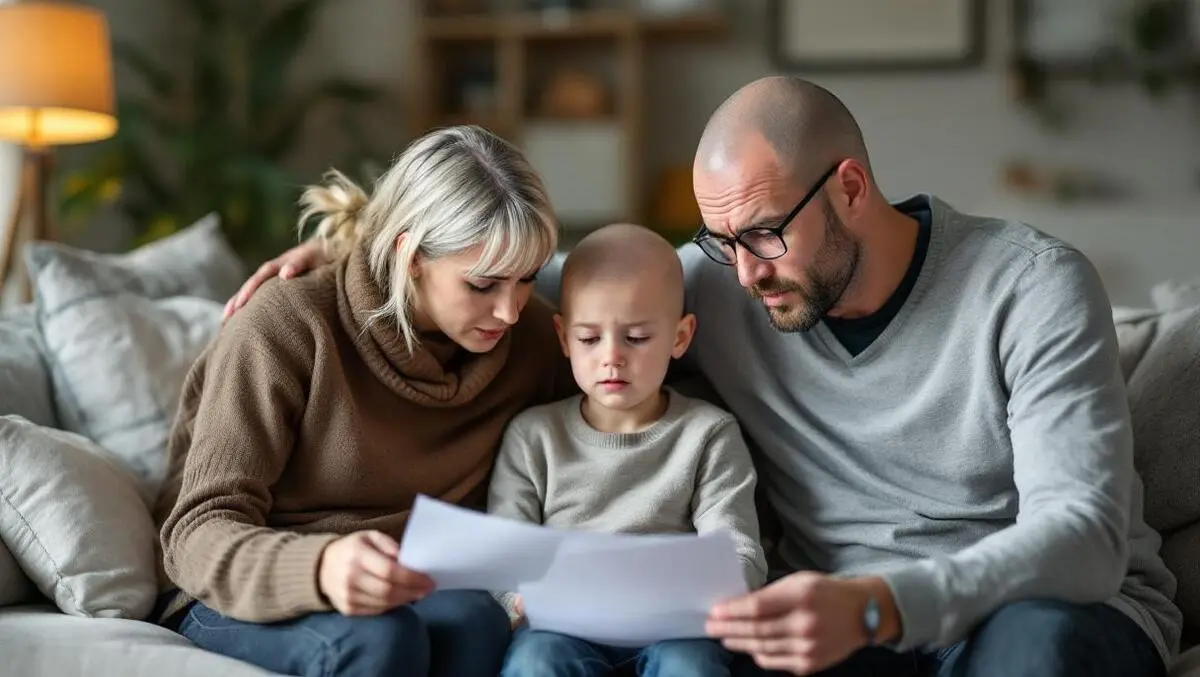
A New Zealand family is seeking public support to raise funds for an experimental cancer treatment in the United States for their 11-year-old son, Hugo Donaldson.
Hugo Donaldson was diagnosed at the age of nine with Stage 4 Alveolar Rhabdomyosarcoma, a rare and aggressive form of childhood cancer that affects only one to three children in New Zealand each year. Despite undergoing nine rounds of high-dose chemotherapy and 28 sessions of radiation, Hugo was declared cancer-free in August 2024. His cancer, however, relapsed a few months later while he was still having maintenance therapy.
His parents, Aaron and Samantha Donaldson, say that all curable treatments have been exhausted in New Zealand. They are now aiming to take Hugo to Texas Children's Hospital in Houston, where he has been accepted into a CAR T-cell clinical trial. He is one of only eight children worldwide selected for the study.
"Hugo has fought so hard, but the cancer keeps coming back. This trial represents his best, and perhaps only, chance at survival," says Aaron.
The CAR T-cell treatment is provided free as part of the research study, but the associated hospital care, travel and living costs are not covered. The family is working to raise around NZD $500,000 to proceed with the treatment. To meet this target, they have launched a Givealittle campaign titled "The Donaldsons Continue to Fight - Help Fund Offshore Cancer Treatment for Their Son, Hugo."
The Donaldsons have explored all options to fund the overseas care. Their medical insurance does not cover treatment outside New Zealand, prompting them to apply for early withdrawal of KiwiSaver funds, extend their mortgage, and sell personal assets. They have stated that without additional public support, they may not be able to get Hugo to Houston in time.
According to the trial protocol, Hugo's blood will be drawn in New Zealand and sent to the United States, where his T-cells will be genetically modified by scientists to target and destroy cancer cells. This process takes up to six weeks. Subsequently, Hugo and his parents will travel to Houston for low-dose chemotherapy and then receive the CAR T-cell infusion over a five-week period.
Aaron Donaldson explained that other children have benefited from similar treatments at the same hospital. "We know of at least one child with the same type of cancer who received a similar version of this treatment at the same hospital and is now in long-term remission. It gives us hope that Hugo might have that same chance."
Dr David Steffin, Associate Chief of the Cell Therapy and Bone Marrow Transplant Programme at Texas Children's Hospital, described the aims and prospects of the trial in a recent statement:
"To put it bluntly, we're looking for a cure. This clinical trial is the only one of its kind in the world for treating solid tumours using CAR T-cell therapy. We've welcomed patients from across the United States, Europe and New Zealand, all facing cancers that conventional treatments can no longer control.
"What makes this approach so promising is that the specific marker we target exists on tumour cells but not on healthy tissue, which allows us to attack the cancer without causing unnecessary harm. Over the past several years, we've worked to make these cells stronger and more effective, and we're now seeing some remarkable outcomes, with children who have undergone multiple rounds of chemotherapy now back at school and living their lives again.
"The progress we're seeing is extraordinary. My hope is that solid tumours will one day follow the same path as leukaemia and lymphoma, where durable cures and long-term remission become the norm, not the exception."
The Cell Therapy and Bone Marrow Transplant Programme at Texas Children's Hospital offers a range of cell-based therapies, including emerging immunotherapies such as CAR T-cell therapy. These therapies are tailored to individual patients and can be targeted to enhance or address specific immune responses against cancer or autoimmune diseases.
Sam Donaldson highlighted the challenge of supporting Hugo emotionally amid his illness. "He knows it's serious, but we don't tell him everything. He's just a little boy who wants to get better and play like other kids. We're doing everything we can to keep his hope alive."
The family has advised that if the fundraising goal is not met or if Hugo becomes unable to travel, donors will have the option to receive a refund (less platform fees), or to redirect their contribution towards other treatment-related care.
"This is our last shot," says Aaron. "We hate having to ask for help, but if there's a chance this trial could save Hugo's life, we have to try."