

Samsung backs FAST TV as streaming shifts to hybrid mix
Thu, 8th Jan 2026
Samsung has used a television industry panel at CES 2026 to argue that free-ad-supported television is moving into the mainstream of streaming, as media groups test hybrid distribution models and creators seek broader routes into the living room.
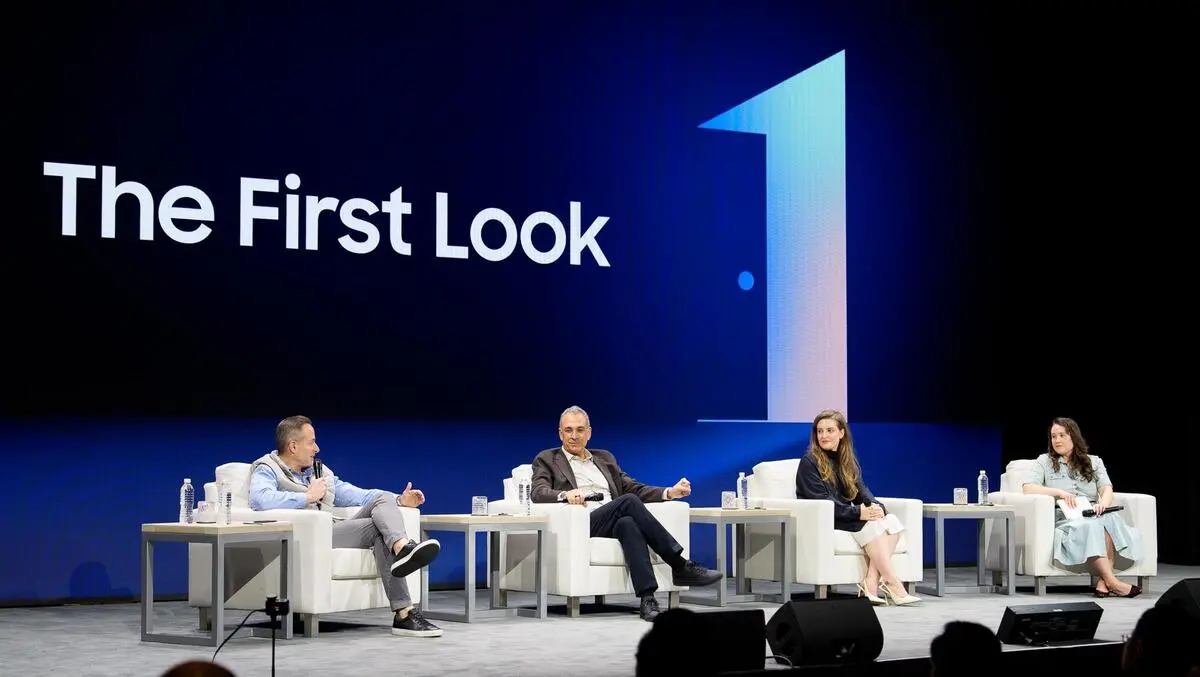
The session in Las Vegas formed part of Samsung's Tech Forum series and focused on the growth of free-ad-supported television, known as FAST. It brought together senior executives from Samsung, NBCUniversal and sketch comedy brand Smosh, alongside a moderator from entertainment outlet The Ankler.
The panel examined how consumer behaviour, technology and advertising-led business models are reshaping viewing habits. It highlighted a shift from subscription-only services towards mixes of paid, free and linear channels, and discussed the role of live and interactive formats in audience engagement.
Samsung framed the discussion around Samsung TV Plus, its FAST service. The platform aggregates hundreds of live and on-demand channels in a single interface across compatible Samsung televisions and devices.
"The TV experience today can often feel like too much work for the viewer," said SVP Brodsky, SVP and Global Head of Samsung TV Plus, Samsung. "Our goal with Samsung TV Plus is to simplify television again and combine the power of linear discovery with a modern, connected experience that feels effortless, curated and truly valuable."
Panellists said viewers face subscription fatigue and a fragmented streaming landscape. They argued that FAST, which relies on advertising rather than monthly fees, offers a more straightforward proposition for audiences who want a lean-back, channel-based experience.
Samsung executives positioned FAST as part of a wider ecosystem rather than a replacement for existing services. They said Samsung TV Plus focuses on shared viewing experiences and on making content available in formats that fit how different audiences now use television screens.
FAST in hybrid mix
The discussion moved beyond a binary choice between streaming and traditional broadcasting. Speakers described an industry in which subscription video-on-demand, FAST and linear channels operate together.
Studios are using FAST channels as additional outlets for established series and films. They are also using them as testing grounds for deeper libraries of content and as ways to reach viewers who do not pay for subscription services.
Bruce Casino, EVP, Sales & Distribution, U.S., NBCUniversal Global TV Distribution, set out the group's experience with this strategy across its portfolio.
"FAST doesn't replace traditional distribution, it extends it," said Casino. "What we're seeing is that when great content shows up in multiple places, it creates incremental value rather than cannibalisation - allowing franchises to thrive across FAST, streaming and linear channels."
Executives said the use of viewing data and long-term audience insight informs where and how they place shows and films. They described this as part of efforts to build more diversified revenue structures across advertising and subscriptions.
Creators on TV
The panel also considered how creators who built audiences on social platforms are moving into television. They no longer rely solely on deals with legacy studios or networks for distribution.
Samsung TV Plus has sought to sign digital-first brands and convert them into channel-based television propositions. This approach gives those brands access to television advertising markets and larger-screen environments, while supplying Samsung with distinctive programming.
Smosh, a long-running sketch comedy and improv collective, was highlighted as one such example. It launched a dedicated FAST channel with Samsung TV Plus and now runs its material inside a scheduled, always-on format.
"Partnering with Samsung TV Plus allowed us to elevate our production quality and invest in the future of the Smosh brand," said CEO Alessandra Catanese, CEO of Smosh. "It was the right platform to help us reach a broader audience while positioning our content in a premium environment that supports where we're headed as a company."
Samsung executives said this kind of arrangement can extend creator reach beyond online followers and into households that treat FAST line-ups more like traditional channel guides. They also linked it with new advertising and sponsorship structures around creator-led shows.
Live and interactive push
Panellists also pointed to live events and interactive tools as features that distinguish newer television services from earlier streaming models built only on on-demand catalogues.
They cited concerts, synchronised premieres and real-time participation features as examples of how television screens are hosting shared moments between viewers. These tools sit alongside chat and voting functions, and they are designed as part of content formats rather than as add-ons.
The speakers said this focus on participation reflects a broader trend in media consumption in which audiences expect some form of connection with other viewers or with creators.
"Authentic content that creates cultural connection and brings people together is what matters most," said SVP Brodsky. "That's why we're investing in live events, creator programming and interactive formats that remind people why TV has always been the center of the home."
Samsung said it will keep investing in FAST, live programming and creator-led channels as streaming models evolve. It is also positioning its television platform as a venue for advertisers who want reach across global audiences that are fragmenting across services.