

Samsung promotes open home AI ecosystems at CES 2026
Wed, 7th Jan 2026
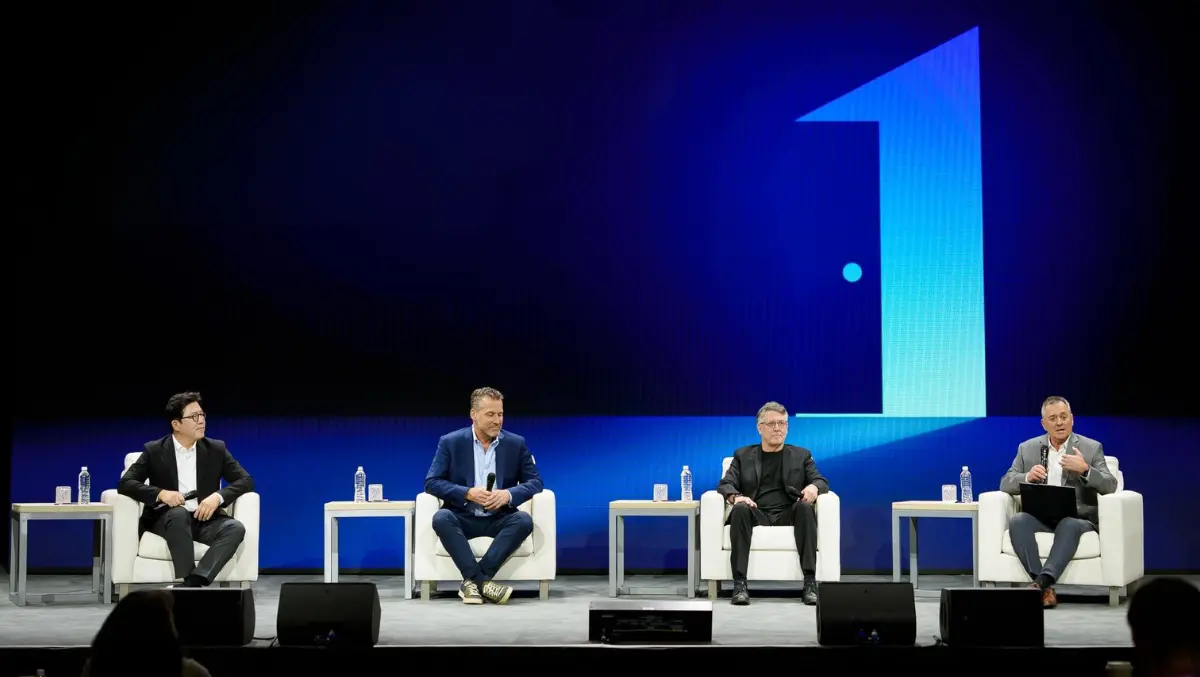
Samsung has used the opening of CES 2026 in Las Vegas to argue that open standards and interoperability will determine how artificial intelligence develops in the home, as it brought together partners from insurance and media for the first in a series of Tech Forum panels.
The session, held at The Wynn and titled "When Everything Clicks: How Open Ecosystems Deliver Impactful AI," focused on how appliances, services and software from multiple brands can operate as a single system inside connected homes.
Executives on the panel said the industry is moving away from isolated platforms and towards common standards that allow devices to share data and coordinate services. They linked this shift with rising expectations that AI services in the home should work across brands and categories.
Push for openness
Speakers said open collaboration between manufacturers, insurers and content providers will underpin the next phase of home AI. They framed closed ecosystems as a barrier that can limit how devices combine and respond to user behaviour.
Samsung said its approach relies on interoperability between appliances, TVs, mobile devices and third-party products. It said this type of connectivity underpins AI features that span rooms and product lines, rather than remaining inside single devices.
The company set out its position that AI in the home should operate as a coordinating layer across existing hardware and services. It linked this model with scenarios such as appliances that adapt to routines or respond collectively to a user's preferences.
Yoonho Choi, President and Chair of the Board of the Home Connectivity Alliance and Head of Strategic Alliances at Samsung Electronics, said the stakes for this transition are high.
"Home is the most personal place in our lives, so home AI must earn trust - quietly, respectfully, and with value users can feel," said Yoonho Choi, President & Chair of the Board of the Home Connectivity Alliance and Head of Strategic Alliances at Samsung Electronics. "That requires interoperability across brands, so the home works as one system instead of disconnected features. Through cooperation with HCA and across industries, we're turning openness into outcomes: safer homes, simpler routines and measurable savings - built on consent and transparency."
SmartThings footprint
Samsung pointed to its SmartThings platform as evidence of the scale of its connected home operations. It said millions of users already link appliances and devices through the system, which has been in development for more than a decade.
The company described its current offerings as a base for more coordinated AI functions that sit above individual products. It said this foundation supports features that move from isolated device automation towards what it described as "system-wide intelligence".
Panellists discussed how AI routines now draw on multiple appliances rather than one-off triggers, such as lighting that adjusts in sync with entertainment or energy use that adapts across several products in the home.
Michael Wolf, founder and editor-in-chief of technology publication The Spoon, said the kitchen will act as a key testbed for these ideas.
"It's crucial to deliver tangible user benefits that make people's lives better," said Wolf. "Along these lines, there's no area that will bring more benefit than a broadly connected kitchen - one that allows users to understand what's in their refrigerator, allowing for a more holistic understanding of everyday life."
Insurance tie-up
The panel highlighted Samsung's collaboration with Hartford Steam Boiler as an example of cross-industry partnerships that sit on top of connected home data.
Samsung and HSB are working on services that combine appliance information with insurance products. The companies said this model can link the performance of home equipment with pricing or risk assessments in ways that are visible to the end user.
Jed Usich, Senior Vice President of Strategic Growth Solutions at HSB, said this type of service depends on user confidence in how data flows between sectors.
"We're at a point where the connected home can bring seamless integration into user lifestyles, which begins to develop trust in smart home equipment that results in direct benefits to consumers," said Usich. "Through our partnership with Samsung, we've created a bridge to the insurance industry that takes simple datapoints and turns them into tangible savings for consumers."
Human-centred design
The discussion also examined how consumers interact with home AI on a daily basis. Speakers said success will depend on design that blends into everyday activities such as cooking, relaxing and caring for family members.
Panellists pointed to areas such as interface design, narrative cues and behavioural modelling. They said these elements can make AI features feel less like separate tools and more like part of the background of the home.
Samsung said it is working with partners in alliances and industry groups on approaches to consent and transparency. It linked these efforts with the need for AI services that adapt over time without overwhelming users with prompts or configuration options.
Participants on the panel said the industry now faces a phase where technical standards, data practices and user experience are converging. They said interoperability and shared frameworks will shape how quickly homeowners accept more complex forms of automation.
The company said it will continue to pursue open ecosystems around SmartThings and its wider product portfolio as more AI features reach mainstream appliances and services.